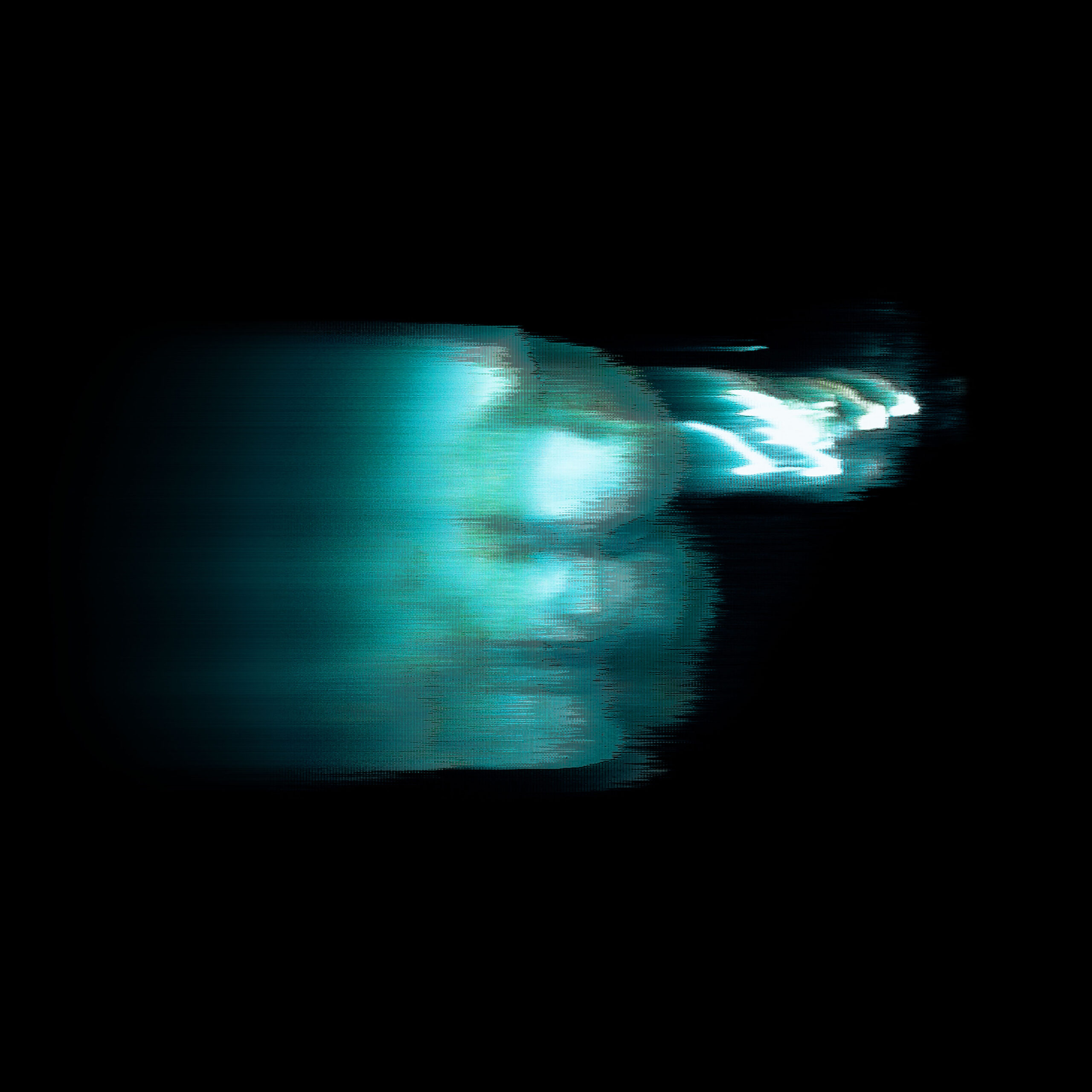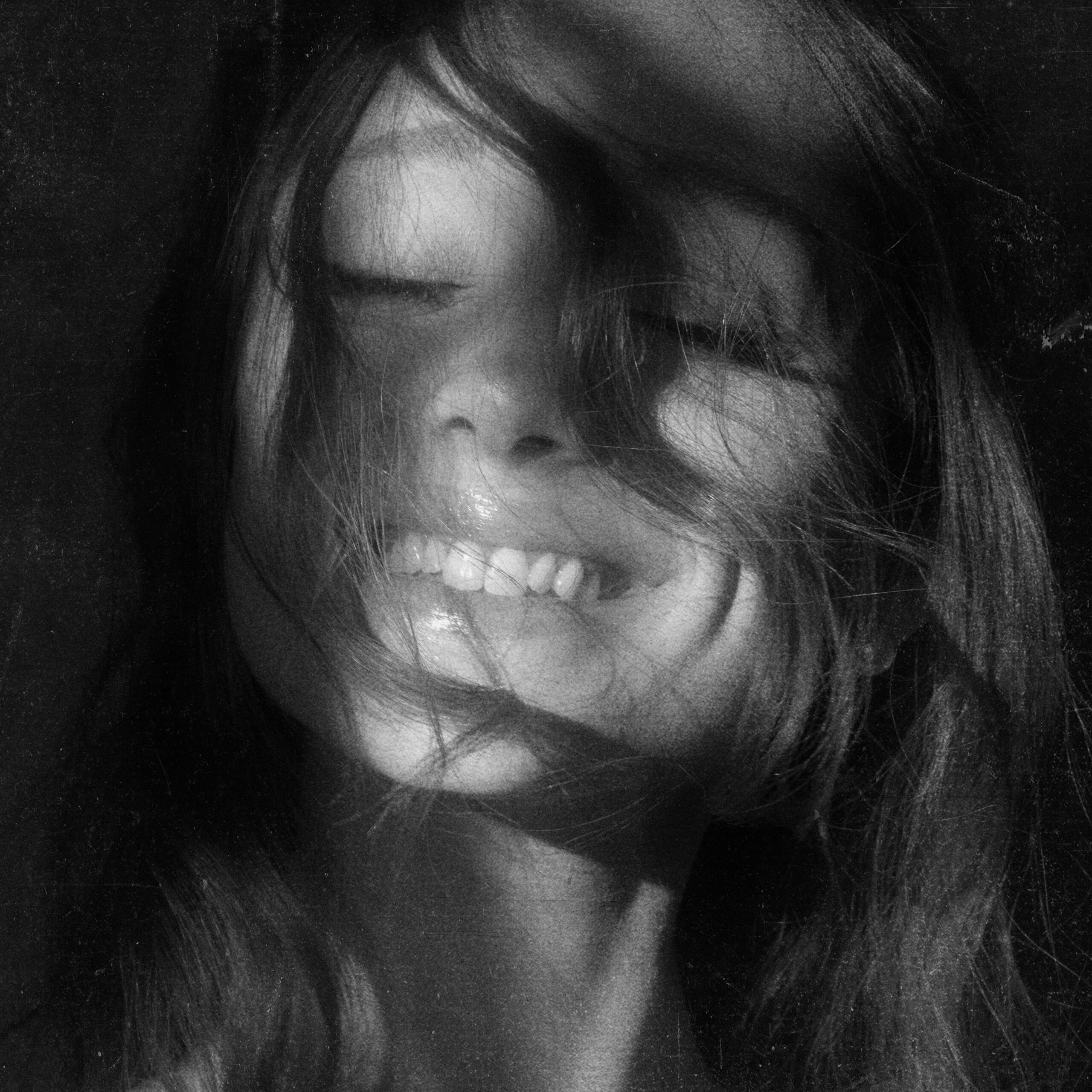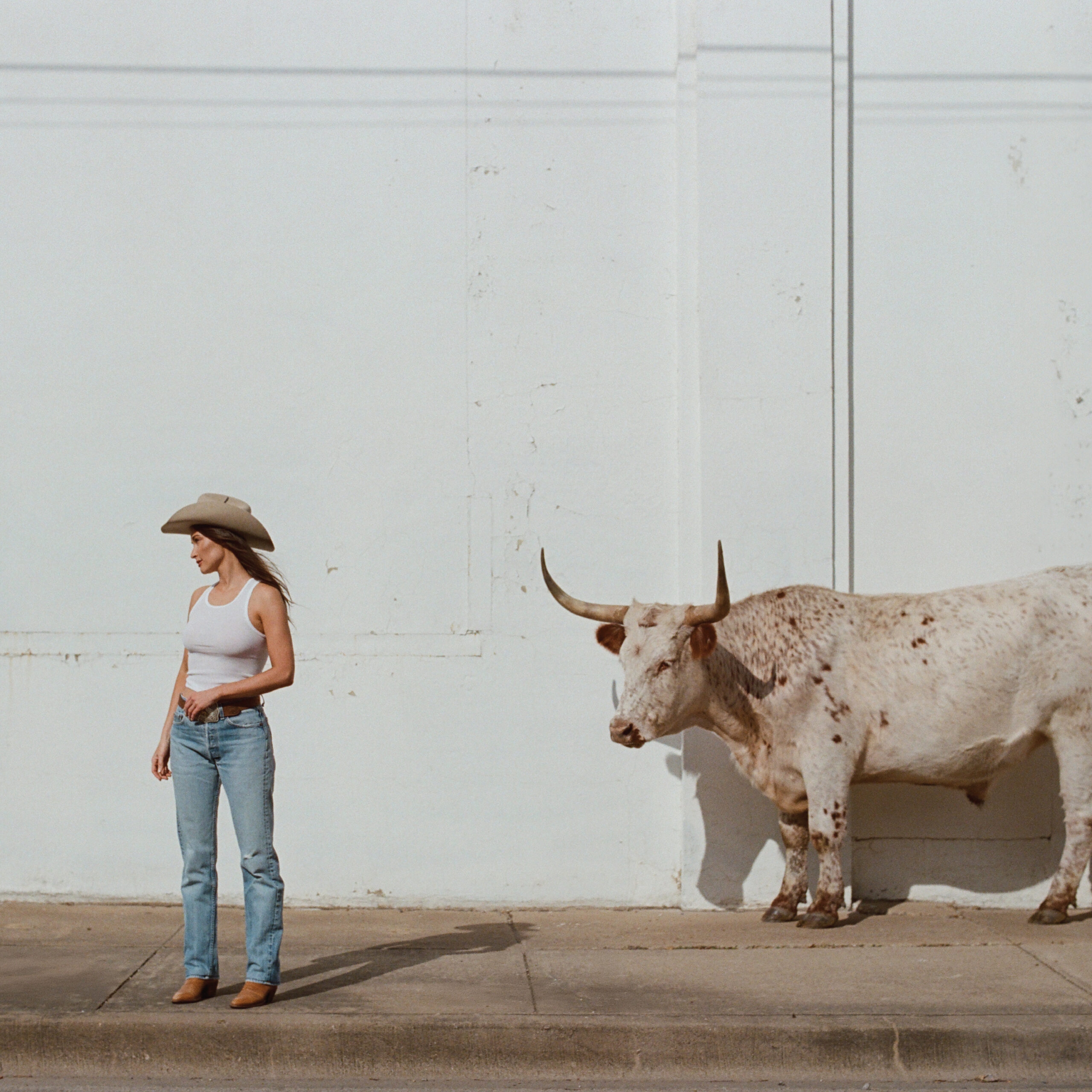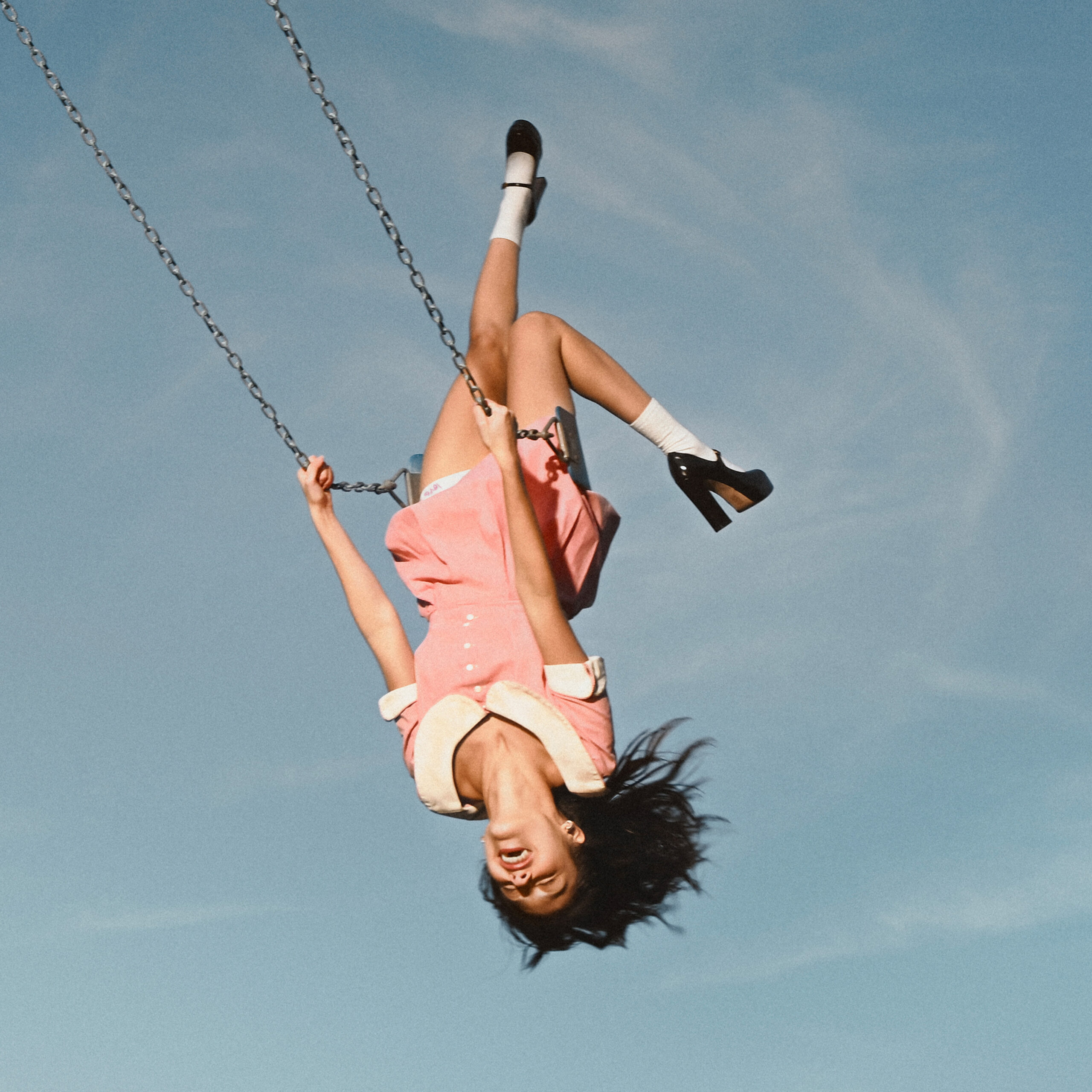
“Coração acelerado e o pavor de conseguir o que você sempre quis. Pop no seu máximo.”
“A hasty heart and the dread of getting what you've always wanted. Pop at its utmost.”
O casamento perfeito entre dinamites explosivos da eletrônica com o confessionismo marcante do bedroom pop, HALO é um álbum de sentimentos mistos: a festa, a multidão, a euforia, o sonho concretizado e o dilema do outro, da audiência, da confiança fabricada, de buscar effortlessness e ansiedade. O DNA desse disco é algo, pra mim, muito geracional. Numa realidade derretida pela internet, como se parecem hoje os jovens adultos nas baladas? Quem dita o cool? Quanta autossabotagem um sentimento de comparação inerente consegue contaminar quando seu sonho de vida se torna realidade?
A justaposição entre música e letra é uma das nuances dessa nova música eletrônica que eu acho mais conquistadora. Experts no ElonMuskwitter.com e seus hot takes sobre música querem te convencer (– dentre tantas coisas) que se você ouvir somente música triste e depressiva isso realmente afeta o seu humor no dia-a-dia. Claramente eles desconhecem a sequência “EVERYTHING I’VE EVER WANTED” e “DOIT4ME” de Tiffany Day. Conceitualmente, ela escolhe abrir o álbum da melhor forma: nos posicionando no seu ponto de vista. Os versos desenham a sua trajetória numa estrutura de edit, com flashes de tudo que precede o momento de subir num palco e tocar seu set. É uma avalanche de sentimentos conflitantes, e nessa crescente bola de neve as confissões de Tiffany ganham aquele verniz de crueza ou sinceridade que arrepiam, como quando ela diz “…and I just don’t understand / how my passion for the thing that raised me up as a child / turned into my greatest fear and how I don’t even smile”.
Depois do acúmulo, catarse. A transição das duas primeiras faixas espelha lindamente essa virada de chave, da cabeça a mil antes da performance pro momento que o show começa. E é bonito como “DOIT4ME” não interrompe o fluxo. Com a sutileza da troca de preposições na frase do refrão (“Would you do it to me?” versus “Would you do it for me?”) Day sustenta, como quem não quer incomodar, o seu maior medo e maior desejo pra um outro que é tão abstrato, e por isso tão assustador, o público. Vocês curtiriam a festa ao meu som, por mim?
Eu nunca ouvi um álbum que me lembrasse tanto de tantos rostos amigos como HALO. Parece que cada música evoca uma faceta diferente do que significa ter crescido nos dias de hoje. O que enfrentamos não é reinvenção da roda: términos, correr atrás dos sonhos, o peso do trabalho, autoestima, se sentir sozinho no começo da vida adulta. Nossos pais e avós também vivenciaram tudo isso. A cápsula aqui é a do como nós enfrentamos. Ter crescido com o digital já se desdobra na maneira em que escolhemos contar a nossa história. Se Ninajirachi fez em I Love my Computer uma espécie de homenagem à nostalgia e as experiências positivas com a internet na pré-adolescência (encontrar companhia, construir uma identidade), Day faz o oposto complementar: é uma insegurança constante de que todos ao seu redor carregam uma leveza ou facilidade de navegar o jeito de ser. Esse vazio invade todos os temas em todas as músicas, e grita o nome de pessoas que eu conheço profundamente, na vida real e só no online.
Quando comecei falando de dinamites, penso num inevitável efeito-Lorde que foi injetado no pop pós-Melodrama. “Blowing shit up with homemade d-d-dynamite” parece que emoldura tão bem o input moderno da festa quanto uma Monalisa, e os sintetizadores de HALO tem muito a agregar ao quadro. Aceleram seu passo andando na rua, provocam vontade de desfilar sozinho, cementam uma vontade de sentir tudo que uma noite fora pode oferecer. Me questiono se ouvir isso todo dia molda uma atmosfera de depressão ou não, segundo as teorias do maniqueísmo intelectual digital.
Esse derretimento ou glitch da nossa realidade mixada com a internet afeta um pouco de tudo. Os sub-gêneros na música estão perdendo cada dia mais os limites e ganhando um novo sabor numa espécie de caldeirão – é difícil, pra mim, não categorizar esse álbum como simplesmente pop. Ele é exatamente o que eu mais amo na música pop, mesmo sendo mega eletrônico. Sempre falou-se do perigo de picos muito altos e vales muito profundos na montanha russa de emoções, e é como se a velocidade 2x dos tiktoks que já tem 2 minutos também acelerasse esse movimento. Euforia-depressão se torna um limite borrado, difícil de decifrar. Day vai direto do ponto A pro ponto B sem nem hesitar: “Sometimes you gotta throw all of it out / So that you can really start over / And so I did it, now i’m starting again” canta ela na minha favorita, “START OVER”. Validação externa, validação interna, autoestima, autocrítica… Quem sabe dizer de onde vem o quê? “At first no one gave a fuck / But now you’re hitting me up / I guess I’m doing something right”.
Como escolher highlights para uma review num álbum tão banger after banger? Harry Styles deveria deletar a sua versão dos streamings depois de ouvir “AMERICAN GIRL”. “SAME LA” é praticamente um novelo de tudo que esse texto tenta explicar, teoria da síntese executada no detalhe. A recompensadora “NO LUCK” que começa com um sintetizador/drop delicioso que fica lá até a música acabar. Todo o estilo que me parece ser a nova identidade de Tiffany me lembra muito uma mistura de SZA com Olivia Rodrigo. A insegurança como principal musa.
O mais contraditório de tudo é o quão cool a figura da Tiffany Day se configurou pra mim depois de HALO, onde ela mais confessa não fazer ideia do que está fazendo. Existe um gut feeling – perdoe os anglicismos, um instinto – em apostar num disco que seguisse essa linha, rendeu um home run. O mesmo frio na barriga que te recebe, é o que encerra em “IT’S NOT LIKE THAT ANYMORE”. A música poderia se chamar “IF I DISAPPEARED”, mas o propósito do fechamento aqui não é mais reforçar a falta de algo. O intuito é quebrar o padrão, Day não precisa mais implorar por nada. Seu lugar no mundo, ou na panelinha, já está garantido. As coisas já não são mais as mesmas.
The perfect combination of electronic explosive dynamites with the striking confessional style of bedroom pop, HALO evokes a range of mixed sensations: the party, the crowd, the euphoria, the “dream come true”, the dilemma of the other, the audience, manufactured confidence, anxiety and the pursuit of effortlessness. To me, this project’s DNA feels deeply generational. In a reality warped by what we see on our phones, what do our young adults look like at parties? Who gets to define what’s cool? How much self-sabotage can an inherent feeling of comparison breed when your lifelong dream becomes reality?
The juxtaposition between sound and lyrics is the nuance of that new age electronic that I find most captivating. Experts on ElonMuskwitter.com, with their endless hot takes on music, want to convince you (– among so many other things) that if you exclusively listen to sad, depressive songs, it will directly affect your everyday mood. Clearly, they’ve never experienced the “EVERYTHING I’VE EVER WANTED” and “DOIT4ME” run by Tiffany Day. Conceptually, she chooses to open the album in the best possible way: placing us in her point of view. The verses trace her trajectory in an edit-like structure, flashing fragments of the preceding moments before stepping on a stage and playing her set. It’s an avalanche of conflicting feelings, and as this snowball effect builds, Tiffany’s confessions take on a jarring layer of rawness and sincerity, like when she sings “…and I just don’t understand / how my passion for the thing that raised me up as a child / turned into my greatest fear and how I don’t even smile”.
After the buildup comes catharsis. The transition between the first two tracks perfectly mirrors this turning point, from a racing mind before the performance to the moment the show begins. Beautifully, “DOIT4ME”, the second track, doesn’t disrupt the flow. With the subtle shift in prepositions in the chorus (“Would you do it to me?” versus “Would you do it for me?”), Day holds, almost apologetically, both her greatest fear and biggest desire, toward someone that is so abstract, and therefore, so unsettling: the audience. Would you enjoy the party to my music, for me?
I’ve never listened to an album that reminded me so vividly of so many familiar faces as HALO. Each track seems to evoke a different aspect of what it means to have grown up in modern days. What we face isn’t the reinvention of the wheel: breakups, chasing dreams, the weight of work, self-esteem, the coming of age loneliness. Our parents and grandparents lived through those as well. The key here is how we face it. Growing up in the digital era already shapes the ways we choose to tell our stories. If Ninajirachi on I Love my Computer offers an ode to nostalgia and the positive experiences of being online in early adolescence (finding community, building an identity), Day does the complimentary opposite: a constant insecurity that everyone around you carries a kind of lightness, an ease in their way of being. That emptiness seeps into every theme, every song, and calls out the names of people I deeply know, both in real life and only online.
When I first mentioned dynamites, I was thinking of an inevitable Lorde effect that infected pop music post-Melodrama. “Blowing shit up with homemade d-d-dynamite” feels like it perfectly frames the modern pulse of a party, almost like a Monalisa, and HALO’s synths have a lot to add to that picture. They make you quicken your step as you walk down the street, provoke a feeling of being on a runway, cement a desire of wanting to feel everything a night out can offer. It makes me wonder whether listening to this everyday actually shapes an atmosphere of depression, at least according to the theories of digital-age intellectual Manichaeism.
This melting, or glitch of our reality, as it merges with the internet, affects a little bit of everything. Musical subgenres are increasingly dissolving their boundaries, taking on new flavors in a kind of melting pot – it’s hard for me not to simply call this album pop. It’s exactly what I love most about pop music, even if it leans heavily into electronic sounds. The dangers of extreme highs and deep lows in the emotional rollercoaster have always been discussed, and it’s as if the 2x speed of TikToks, already trimmed down to two minutes, only accelerates that motion. Euphoria and depression become a blurred line, difficult to untangle. Day goes straight from point A to point B, with no hesitation: “Sometimes you gotta throw all of it out / So that you can really start over / And so I did it, now i’m starting again”, she sings on my favorite track, “START OVER”. External validation, internal validation, self-esteem, self criticism…Who can tell where one ends and the other begins? “At first no one gave a fuck / But now you’re hitting me up / I guess I’m doing something right”.
How do you choose highlights in an album that’s so relentlessly banger-after-banger? Harry Styles might as well delete his version from streaming platforms after hearing “AMERICAN GIRL”. “SAME LA” feels like a tangled thread of everything this review tries to unpack, synthesis theory executed with precision. The rewarding “NO LUCK”, opens with a delicious synth/drop that carries through the very ending. This new stylistic identity Tiffany seems to be building recalls a blend of SZA and Olivia Rodrigo, with insecurity as its central muse.
Maybe the most contradictory thing is how cool Tiffany Day comes across to me after HALO, an album where she openly admits she has no idea what she’s doing. There’s a gut feeling, an instinct in betting on a record that follows this path, and it pays off like a home run. The same knot in your stomach that greets you at the beginning is what closes out “IT’S NOT LIKE THAT ANYMORE.” The track could easily have been called “IF I DISAPPEARED,” but the purpose of this ending is no longer to reinforce absence. Instead, it breaks the pattern: Day no longer needs to beg for anything. Her place in the world, or within the circle, already feels secured. Things are no longer the same.
English version translated by Daniele Revorêdo.